How Visual AI Beats Traditional Robotic Bump Vacuums
Published by BrioCleanAI Editorial | Last updated in 2026
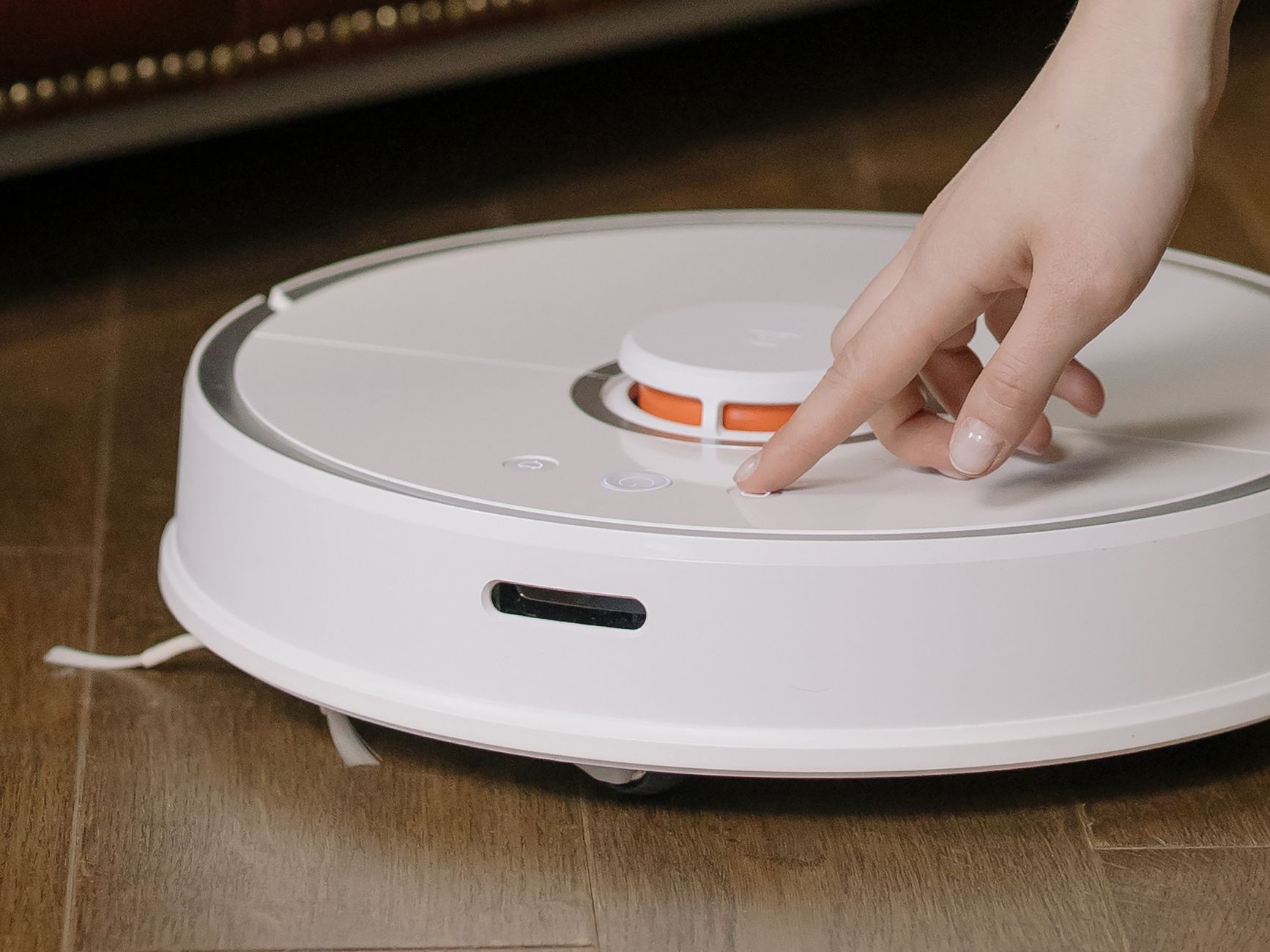
In the initial generations of domestic helper robots, the primary method of tracking space was simply running straight ahead until physically hitting solid legs or door trims. Not only did this bruise delicate wooden paint trim, but it left random dirty patches throughout your home.
By implementing miniature Lidar domes combined with high-frequency stereoscopic visual lenses, today's automated machines build high-definition real-time models of your hallways.
Recognizing the Unavoidable Pet Traps
Perhaps the most critical advantage of visual AI is avoiding animal messes or loose charging cords. Traditional models lack any mechanism to identify these objects, dragging them over pristine carpets. Advanced algorithms now use visual learning models trained on millions of household objects to instantly bypass these problem areas.
Ready to upgrade your home to true automated perfection?
Check out our smart interactive selection advisor and avoid selecting blind clunky machinery today.
Try advisor Tool